


Welcome to everyone who is learning or just dreaming of riding a wheelie! Before you try to lift your motorcycle onto the rear wheel, you need to learn the theory. You can easily find a lot of information on the internet, including on our website and our YouTube channel stuntexru. Once you know the theory, you could hire Chris Pfeiffer himself as a personal trainer and still learn little new about riding on the rear wheel.
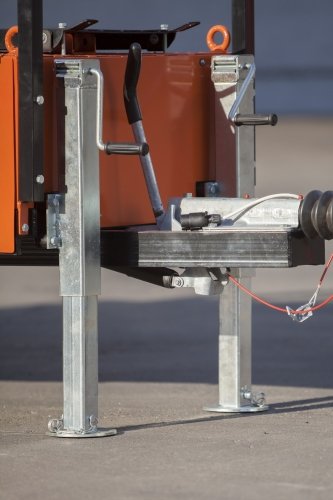
The alpha and omega of wheelie riding is getting over your fear. The self-preservation instinct does not let you put your theoretical knowledge into practice. The fear of flipping over will stop you from lifting the front wheel more than half a meter for a long time. Everyone who wants to learn the wheelie goes through this. You will have to lift the bike onto the rear wheel and drop it right away many times, gradually dulling the fear and getting closer and closer to the balance point. And once the bike reaches the balance zone, the rider gets lost and, scared, has no time to stop the lift with a slight throttle roll-off. Forget about using the rear brake when all you can think about is not falling!
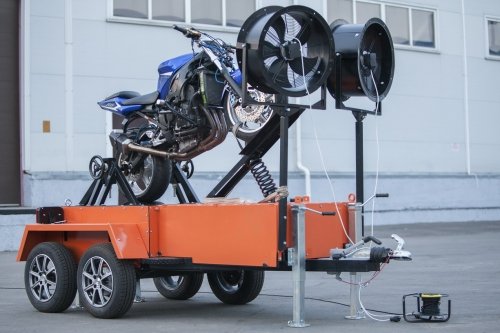
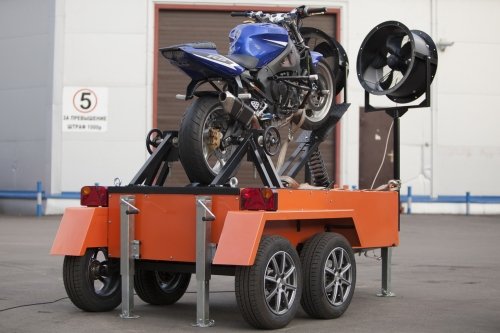
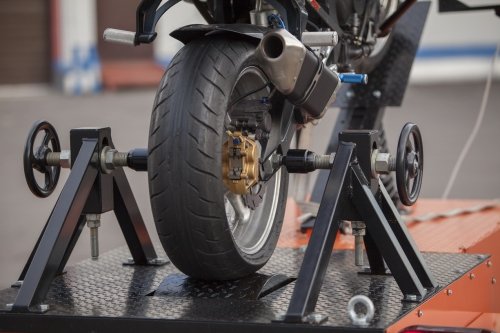
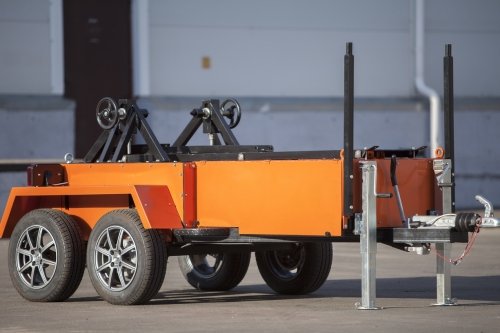
The Wheelie Machine was invented to make the first stage of learning to ride on the rear wheel much easier. It lets you get a better feel for the motorcycle on the rear wheel. It also helps you develop a sense of balance and learn to work the rear brake and throttle at the balance point. Since there is no risk of crashing yourself or your bike, understanding comes quite quickly. Sometimes a few minutes on the Wheelie Machine teach you what takes days of unsafe training.
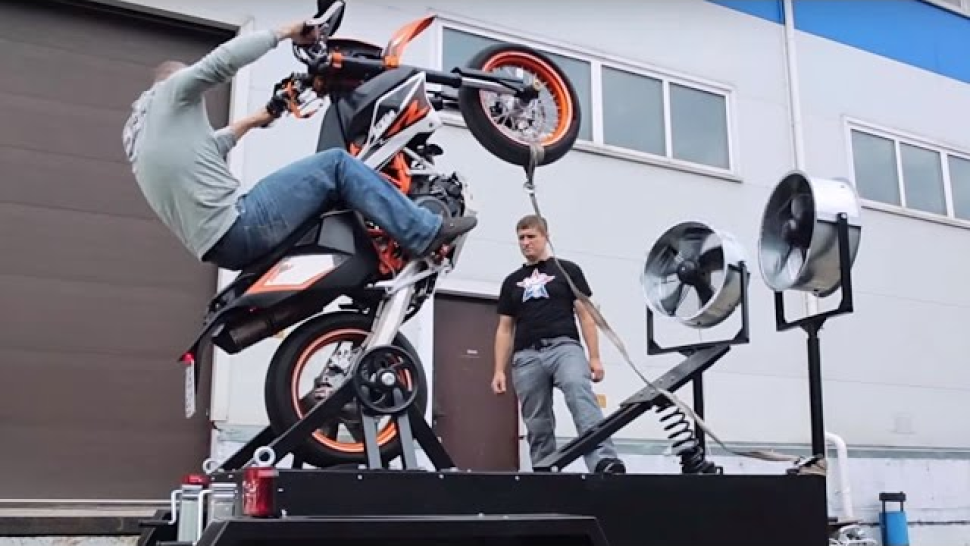
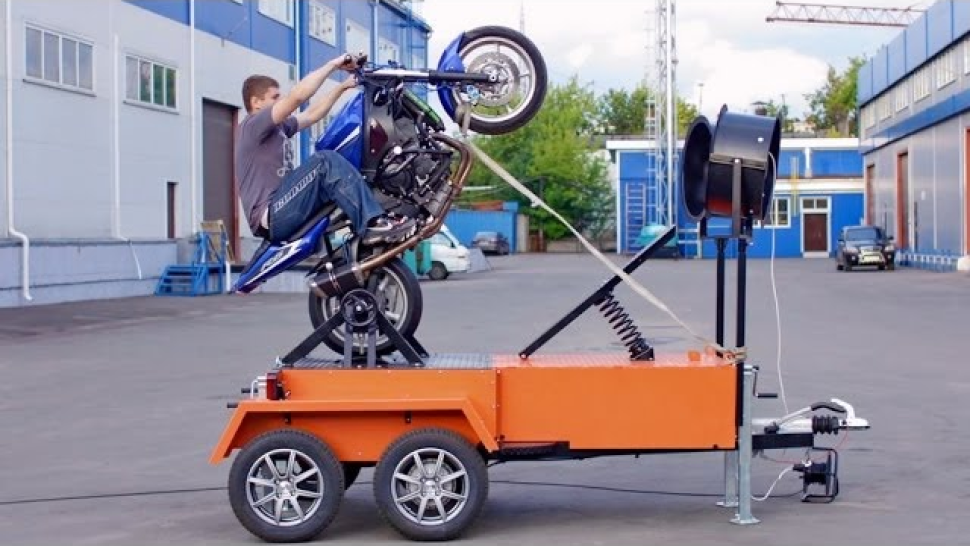
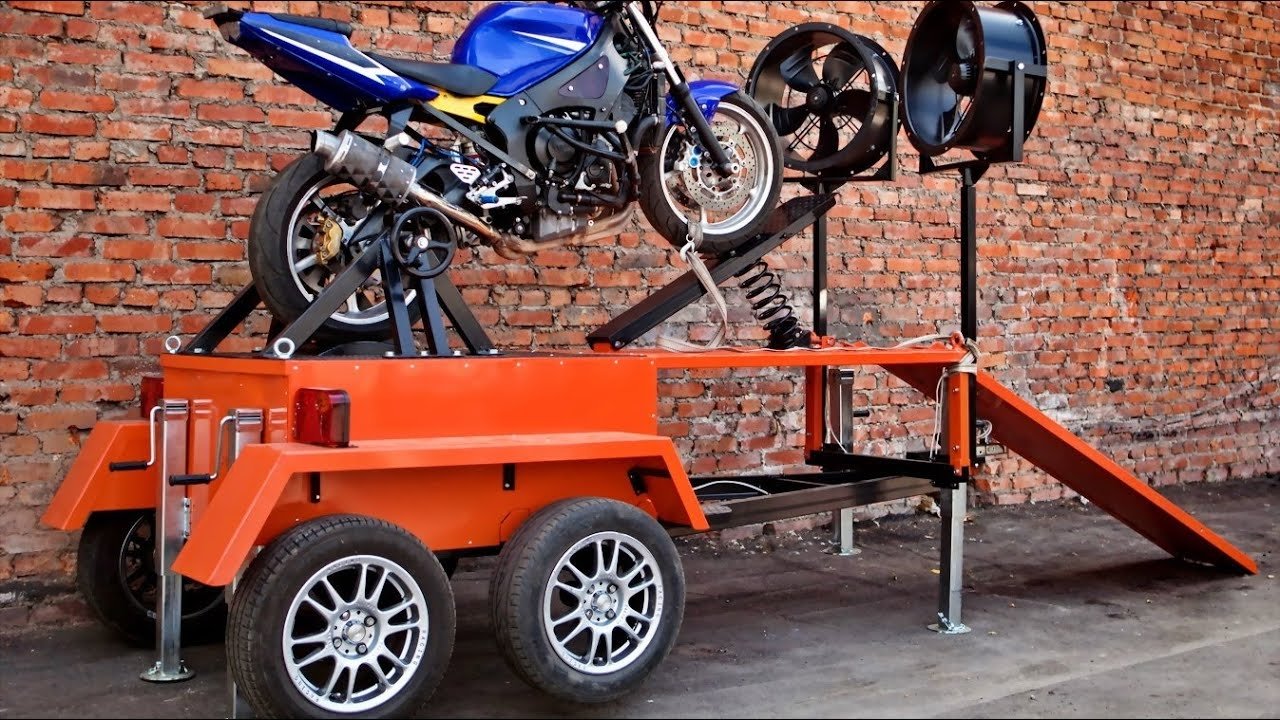
How long does it take to learn to balance on the Wheelie Machine? Honestly, it takes quite a while. You will not get it in 10 minutes. On average, it takes about 3 hours to fully master keeping the balance, and not in one day: you will need 5–6 sessions of 30–40 minutes each. As a final exam, I ask the trainee to bring the motorcycle to the balance point with the idle raised to 4,000 rpm and take their hands off the clip-ons. If you can hold the angle without hands, using only the rear brake and your body, you don't need the Wheelie Machine anymore. But it doesn't mean you become a pro after 3 hours of training. In this time, you can get the basic skills that are the hardest to gain in real conditions. This will make your training at the spot much easier and help you avoid many crashes that happen to beginner stunt riders.
Everyone decides for themselves whether to learn with or without the Wheelie Machine. You can learn the hard way for ages and listen to experienced riders' advice about the rear brake, which in 99% of cases you just have no time to use. We recommend practicing on the Wheelie Machine before your first wheelie attempts. Even a short 5-minute session will give you some understanding of the process, and you will decide for yourself whether you need it.
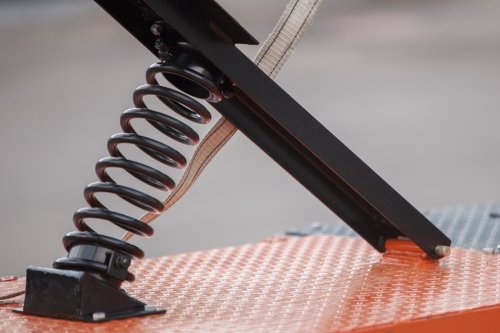
STUNTEX Wheelie Machine beats its counterparts because it lets you bring the motorcycle back from the negative angle. Its behavior is as close to reality as possible for this kind of trainer. In the video, you can see the rider correcting the angle with the rear brake: this skill is the goal of the training.
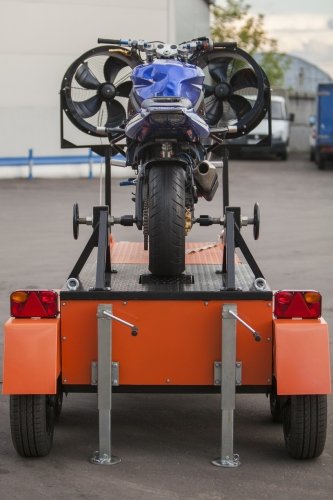
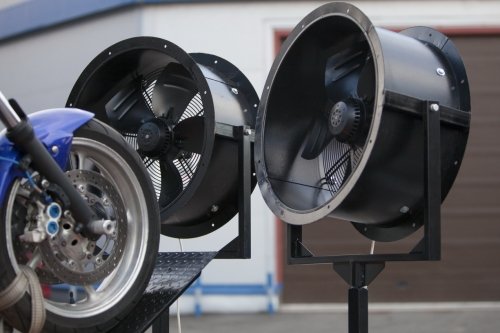
I should mention that while collecting information about the Wheelie Machine, I came across skeptical opinions from experienced stunt riders who confidently ride wheelies and learned the hard way. The thing is, the Wheelie Machine does not give you a real sense of speed. It is also better to practice on your own bike, because everyone's setup is different. And you can't argue with that. The fans mounted on the Wheelie Machine cool the engine, and you don't get the sense of speed.
A tightly clamped motorcycle doesn't roll from side to side, which every rider faces when learning to wheelie at walking pace. There is also an opinion that the Wheelie Machine can make a rider overconfident, which can backfire in a real situation. After training on the Wheelie Machine, you will not become an ace: you will still need practice. Like any simulator, the Wheelie Machine does not fully reproduce real road conditions. But there is no better and safer way to get the basic skills of riding on the rear wheel.