Motorcycle Plastic Repair
Plastic repair is highly relevant for all riders who train actively. Not only fairings, fenders and shrouds on a motorcycle are made of plastic, but also elements of protection and equipment. Classic repair with zip-ties is not suitable for all parts and not as reliable as welding. The weld is not inferior in strength to a monolithic joint.
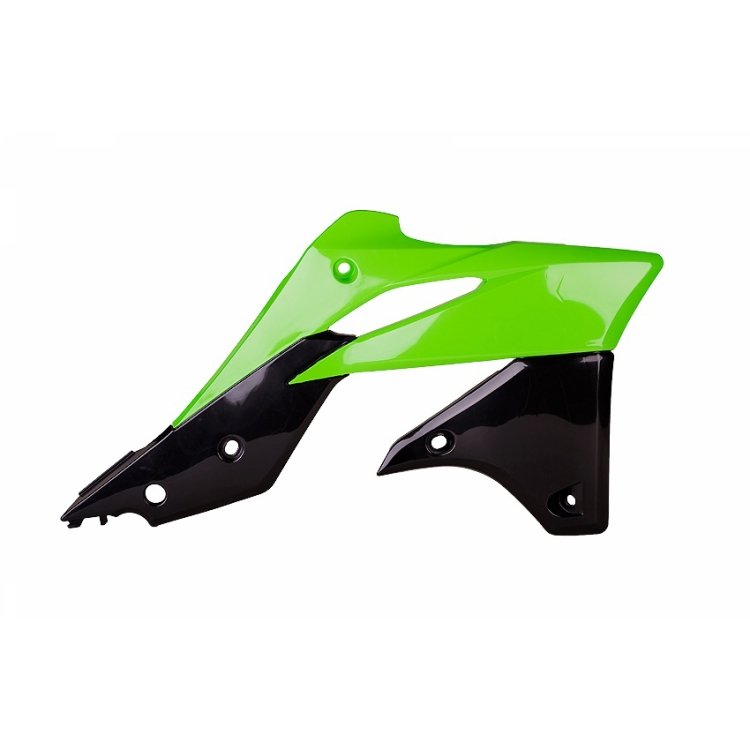
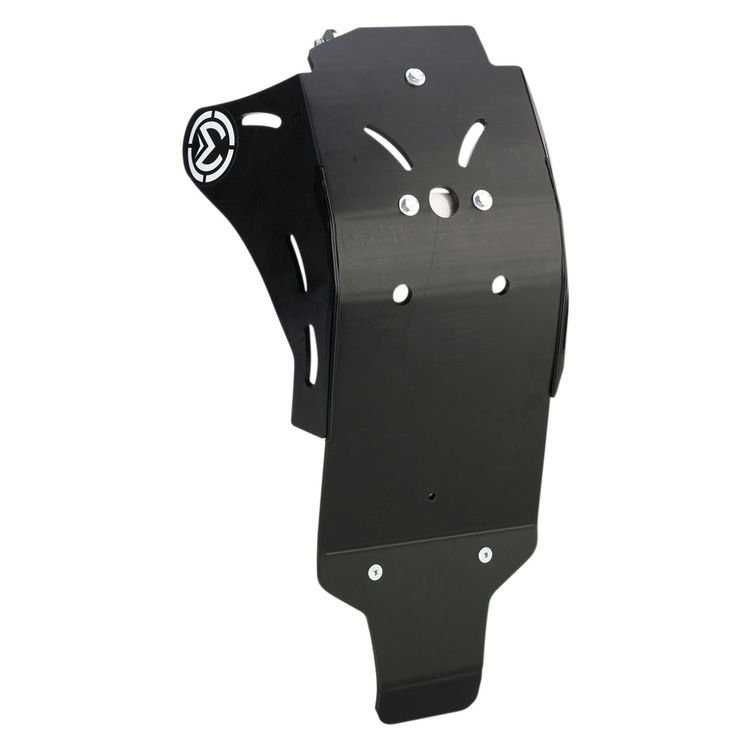
In this video Gena Zyrin repairs, without special equipment, the cracked radiator shroud of his motocross bike, his helmet visor and a polyethylene Moose Racing skid plate. This is especially true for training equipment. Even though the plastic of a motocross or enduro motorcycle is not pricey, it breaks frequently with regular training. Buying a new part every time something breaks is expensive, and sometimes it’s not easy to find it in stock. Repairing will save not only your money, but also your time.
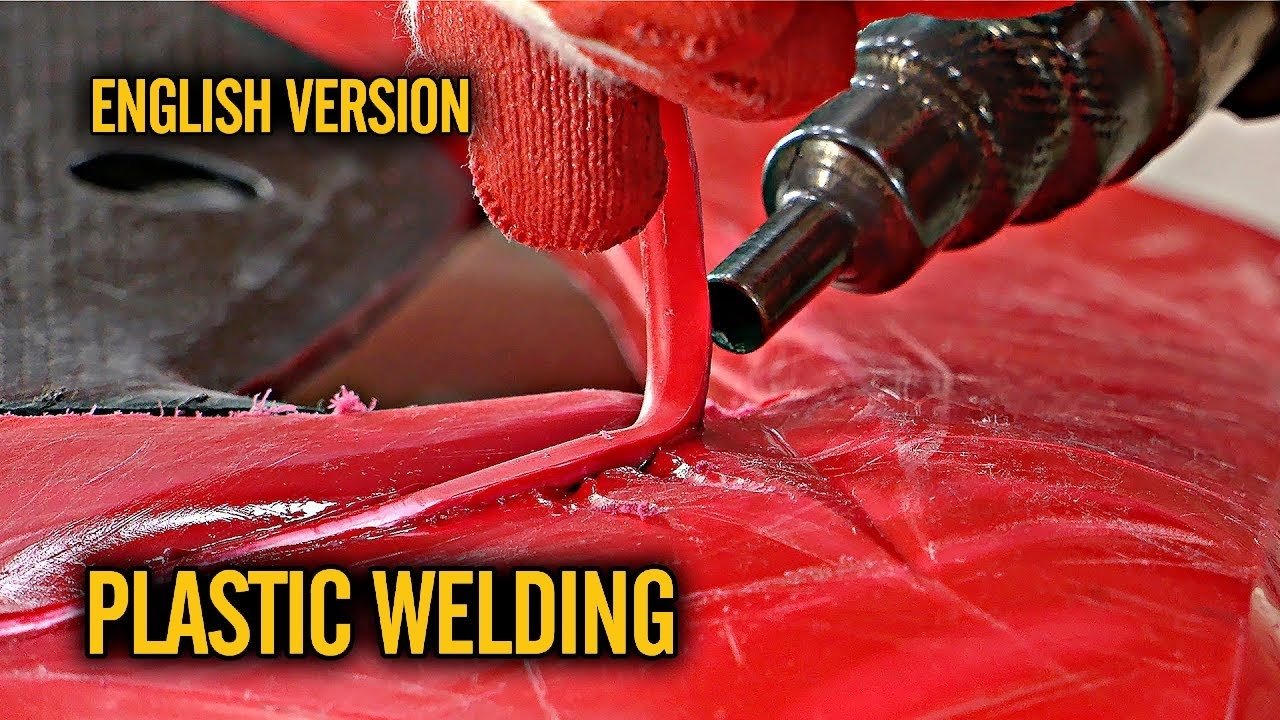
You can repair plastic at home with a heat gun. The main thing is to choose the right donor and adequate temperature mode.
The direction, distance and area of the heat flow, which are selected experimentally, are also important. Of course, welding plastic is easier with professional tools and special rods, but you can do it just as well without them.
How to choose a donor
It is the best practice to use a similar part as a donor, which fuses well and has the same color. If there is no such part, then it is possible to choose the donor from household items by recycling codes, which are found on almost everything.
Below there is a table with the types of plastic and the products in which they are used.
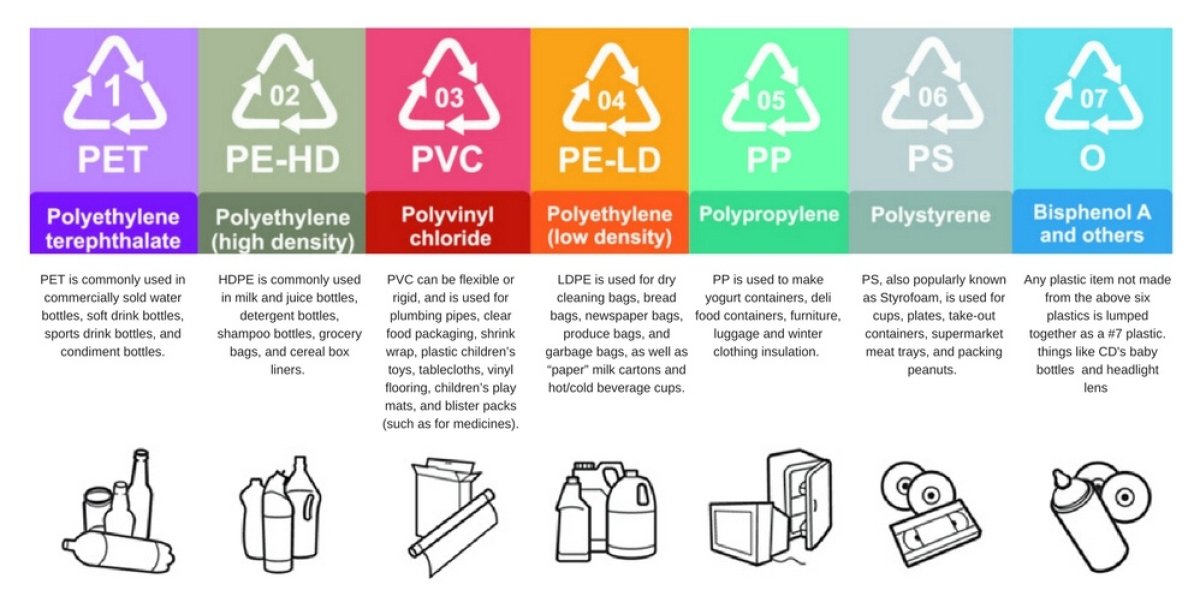
Professionals can weld plastic of various types and combinations, but without experience it is very difficult to do.
Before shooting the video, Gena welded the skid plate with plastic bottle caps — it looked rather ugly (it was necessary to heat the donor and the skid plate body to ensure good diffusion), but reliable, he even managed to test it. That is why we decided to make a full video and broke off the skid plate tab again specially for it to weld it in the video. Household donors can be used effectively — verified!
Of course, special plastic rods are much more convenient to use, but they are not sold everywhere.
What temperature mode
The melting point of all types of plastic is known, but it is useless if you weld the plastic with a heat gun. The temperature setting on the heat gun does not correspond to the temperature of the air flow at the outlet with different nozzles, and especially the temperature of the flow at a distance. You have to find the temperature mode on each specific heat gun with a specific nozzle experimentally. In our video, Gena gives the temperature settings on a Dexter heat gun for polyethylene and polypropylene.
How to weld
The airflow direction, the distance to the seam and the position of the filler rod depend on the type of plastic, the thickness of the part and are selected experimentally on test samples. In the welding process, we made the following conclusions:
- If the thickness of the filler rod and body are the same as on the plastic from an MX or enduro bike, then the flow is directed along the bisector of the angle between the filler rod and the body, i.e. they are heated and melted the same way. On motocross bikes plastic is made of soft polypropylene — it is the easiest to weld.
- Brittle, hard ABS plastic used on road motorcycles is harder to weld because it needs more heat, which makes the part warp during welding.
- If the thickness of the body is much greater than the thickness of the filler rod, such as a skid plate, then the flow is directed more toward the body than at the filler rod so that it does not melt while the body is warming up. In that case, the filler rod is recessed into the molten body under slight pressure.
- If the body is very thin, such as the visor of a helmet made of polycarbonate, it is easier to weld without a narrow nozzle, so as not to burn the body. It also makes sense to put a wet rag under the body, which will reduce the deformation during welding.
In the video, Gena repaired plastic and a visor for the first time in his life — the result was satisfactory: strong but not very pretty. If beauty doesn’t really matter, anyone can handle repairing plastic on their own on the first try!